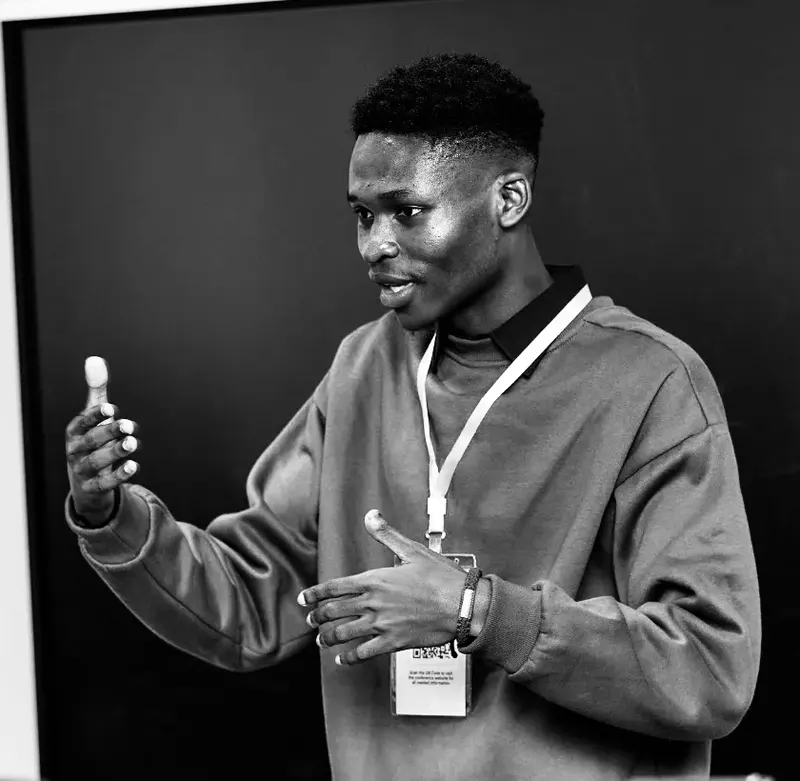
Founder · Lumis · AI, data and intelligent systems engineer
Solomon Eshun
Building intelligent, self-adaptive systems — for data, AI and beyond. Lead author of the paper Lumis grew from.
solomon@qadimlabs.comLumis / by Qadim Labs
We are building toward systems that can understand their own condition, explain failures, and recover within defined human and operational boundaries.

Our thesis
It must connect evidence to explanations, decisions, and verified outcomes — and remember what it learned.
The starting point
Lumis begins with Data & AI infrastructure, where an incident can cross code, pipelines, databases, models, and runtime systems. The reasoning burden falls on engineers reconstructing context from scattered evidence.
Our work connects an open-source SDK, architecture research, and a reproducible reference estate, GridCast, with first published results. The aim is to make diagnosis inspectable first; anything beyond diagnosis must be earned.
We are at an experimental stage. The wider platform will develop through controlled evaluation and collaboration with engineers facing real operational complexity.

Complexity crosses industries
Starting with data and AI systems; other domains are research questions.
The team
Building intelligent, self-adaptive systems — for data, AI and beyond. Lead author of the paper Lumis grew from.
solomon@qadimlabs.comWe welcome conversations with engineers, research collaborators, and potential design partners. A useful starting point is one recurring failure class, its evidence sources, and a safe way to measure whether diagnosis improves.
Start a conversation